Living Through a Summer Kitchen Remodel in Scottsdale
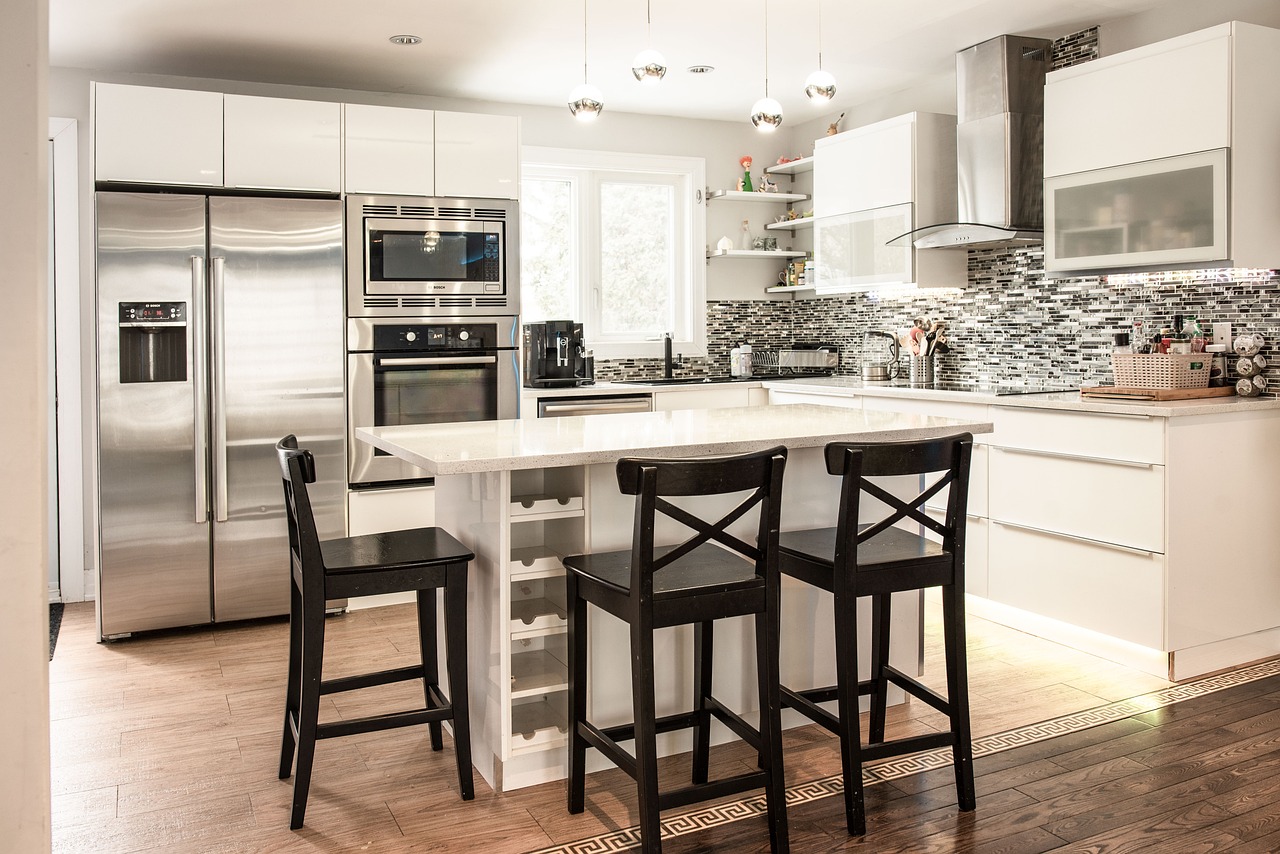
A kitchen remodel in Scottsdale, AZ usually lands in the middle of the year whether the household planned for it or not. Materials arrive when they arrive, and the crew's calendar fills up, so plenty of families end up without a working kitchen while the outdoor temperature in the Phoenix metropolitan area sits well past what anyone wants to stand over a stove in. Living through it is a logistics problem, and most of the pain can be handled by setting things up before demolition day.
How long will the kitchen be out of use?
The kitchen itself is rarely out of use for the whole project. The first stretch, from the day the old cabinets come out to the day the new boxes are set, is the hardest, because there is no sink, no counter and often no power on the kitchen circuits. After the cabinets are in, a sink and a temporary counter surface can sometimes be hooked up so the household has running water again while the stone is fabricated. Stone is the longest wait, since the slab is cut only after the cabinets are installed and the template is taken from the actual run.
Ask the contractor for the sequence in writing, not just a total. A schedule that lists the day the water is shut off and the day it comes back is far more useful than a single finish date.
What does a temporary kitchen need?
A temporary kitchen works best in a room with a door, a floor that can take spills, and an outlet that is not on the same circuit as the work area. A garage fails in a Scottsdale summer, because the air inside climbs quickly. A spare bedroom, a laundry room or a dining room is better.
- A countertop microwave, a toaster oven and a single electric burner or induction plate.
- A small refrigerator, plus a cooler for the overflow.
- A folding table with a washable cover as a counter.
- A plastic tub for dishes, because the bathroom sink is a poor place to wash a casserole dish.
- Paper plates and utensils for the first two weeks, then real ones once a routine settles in.
Two appliances on the same extension cord trip breakers. Keep the microwave and the toaster oven on separate circuits and do not run either from a power strip.
Which days are the dustiest?
Demolition raises the most dust at once, but cutting tile, sanding drywall mud and grinding a slab are what spread fine particles through the house. Desert dust is already a fact of life near the McDowell Mountains and across Maricopa County, so a house that is open for construction picks up much more of it than usual.
The standard defenses are plastic sheeting across doorways, a zip door at the main passage, and a fan in a window pushing air outward from the work zone. Swapping the air handler filter every couple of weeks during the heaviest stretch protects the equipment. Sealing the return vent in the kitchen with plastic keeps dust from being sucked into the ductwork and spread to every room.
How do you plan around the heat?
Summer afternoons in the Sonoran Desert decide a lot about the schedule. Crews that work in Scottsdale in July start early, often before seven, and aim to finish the loudest and dustiest steps by early afternoon. A house with a kitchen wall removed or a patio door propped open for deliveries loses cool air fast, so the air conditioner works harder while the project is underway.
Deliveries are worth planning too. Stone, cabinets and appliances come on trucks that need a clear path to the door. Staging them in the garage is fine for cabinets and a bad idea for anything with electronics or a finish that reacts to heat. Many installers want the cabinets stored indoors for a day or two before hanging so the wood adjusts to the interior humidity.
What about pets, kids and noise?
Open floors, loose screws and tile dust do not mix with pets and small children. A closed door between the work area and the rest of the home is the cheapest safety measure there is. Dogs often do better boarded or kept at a relative's house on demolition and tile days. Anyone who works from home should expect the loudest hours to be morning hours and plan calls for the evening or a coffee shop.
Which decisions cannot wait?
A remodel stalls when a decision is missing. The items that hold up the most work are:
- Appliance models, because the cabinet openings and the electrical and plumbing rough-in depend on their exact dimensions.
- Faucet and sink, since the counter cutout is made from the sink template.
- Cabinet layout and door style, which have the longest lead time.
- Tile and backsplash selection, which must be on site before the installer starts.
- Lighting fixtures, which determine where the electrician puts boxes in the ceiling.
Making these choices before demolition keeps the schedule intact. A kitchen that sits half finished for two weeks waiting for a faucet is the most common reason a remodel runs long.
Is it safe to stay in the house?
Most households stay. The things that decide it are the water shutoff, the air quality and the bathroom access. If the kitchen remodel also touches the main water line or the panel, there will be periods without water or power. Those are announced, and a day at a relative's house or a hotel is a reasonable answer when both are off at once.
Older homes call for a bit more care. Houses built before the late seventies can have lead paint under the surface and sometimes asbestos in flooring adhesive or textured ceilings. A test before demolition is a normal step in Maricopa County and tells the crew whether containment is needed. If a test comes back positive, the work is done by a licensed abatement firm before the remodel begins, and the household usually leaves the house for that portion.
How do you keep the household fed?
Cooking in summer without a kitchen is easier when the menu is built for the equipment. Grilled food, salads, sandwiches and anything that comes out of a slow cooker or an electric pressure cooker keep the heat out of the house and the dishes in the sink short. An outdoor grill is the best tool a Scottsdale household has at this point, since the patio is already set up for it. Plan for the grocery bill to rise, because ready-made food and takeout creep in.
Some families set one day a week as a no-cook night to give everyone a break. Dishes go to the bathtub or a utility sink, and if the laundry room has a sink, that is the best washing station of all.
What should be photographed and written down?
Before demolition, take photos of the room from every angle, and again after the walls are open. Those pictures show where pipes and wires run, and they help when a later question comes up about where an outlet is. Keep a running list of questions for the crew leader and ask them in one conversation, not scattered over ten calls. Crews value that and it keeps the work moving.
Walk the room with the project lead at the end of each major phase. A short list of corrections made while the crew is still on site is much easier to fix than a long one after the last day.
When does the house feel normal again?
The turning point is when the counters, the sink and the range are all connected. After that the household is cooking again, and the rest is finish work: backsplash, trim, paint touch-ups and lighting. Those steps are quieter and cleaner, and most people stop noticing the project during them.
A summer remodel in Scottsdale, AZ is manageable when the temporary kitchen is ready on day one and the dust is contained. Settle the decisions early and the rest takes care of itself.